

Understanding Kenya’s Peak and Low Tourist Seasons
Planning a safari in Kenya is exciting but choosing when to visit can make a huge difference in your overall experience. From wildlife sightings and weather to costs and crowd levels, Kenya’s tourist seasons shape every safari in unique ways.
At Imara Destinations Africa, we believe there’s no bad time to visit Kenya—only the right time for you. Let’s break it down in a simple, fun, and practical way so you can plan your perfect adventure.
Summary
What Do Tourist Seasons Mean?
Tourist seasons are periods when traveler numbers rise or fall due to:
- Weather conditions
- Wildlife movement
- School holidays and international travel trends
- Park entry fees and accommodation rates
In Kenya, seasons are generally divided into:
- Peak Season
- Low Season
- Shoulder Season (the balance between the two)
Peak Tourist Season in Kenya (July – September)
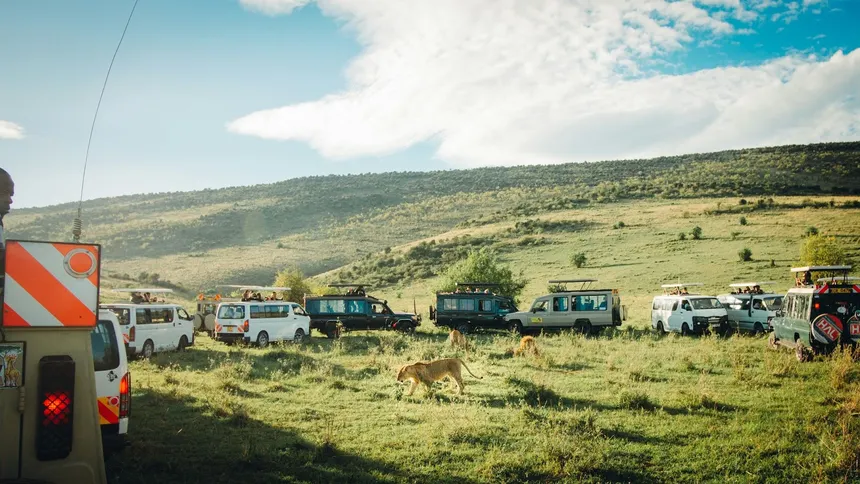
Why This Tourist Season Is So Popular
This is Kenya’s most famous safari season, and for good reason.
What to expect:
- Cool, dry weather
- Short grass which means easier wildlife spotting
- The iconic Great Wildebeest Migration in the Maasai Mara
The Good Stuff
✔ Exceptional wildlife viewing
✔ High chances of dramatic river crossings
✔ Ideal weather for long game drives
✔ Perfect for first-time safari travelers
Things to Keep in Mind
⚠ Higher Park entry fees, especially in Maasai Mara
⚠ Popular areas can feel crowded
⚠ Accommodation sells out fast
It is Best for travelers who want the classic, high-energy safari experience.
Explore our Maasai Mara Migration Safari Packages
Low Tourist Season in Kenya (March – April)
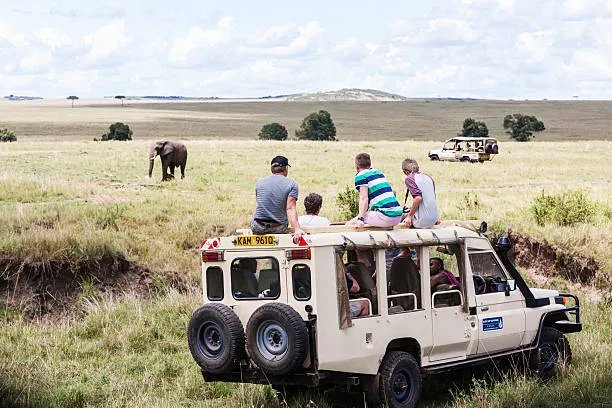
The Quiet Side of Safari
This period coincides with the long rains, and while many travelers avoid it, it holds hidden gems.
What to expect:
- Lush green landscapes
- Fewer tourists
- Lower costs
The Good Stuff
✔ Lowest park entry fees
✔ Excellent value for money
✔ Peaceful, uncrowded game drives
✔ Stunning scenery and dramatic skies for photography
Things to Keep in Mind
⚠ Rain can make some roads muddy
⚠ Wildlife spreads out due to abundant water
⚠ A few lodges may close temporarily
Best for budget travelers, photographers, and guests who enjoy quiet, exclusive safaris.
View Our Budget-Friendly Safari Packages
Shoulder Seasons (January – February & October – December)
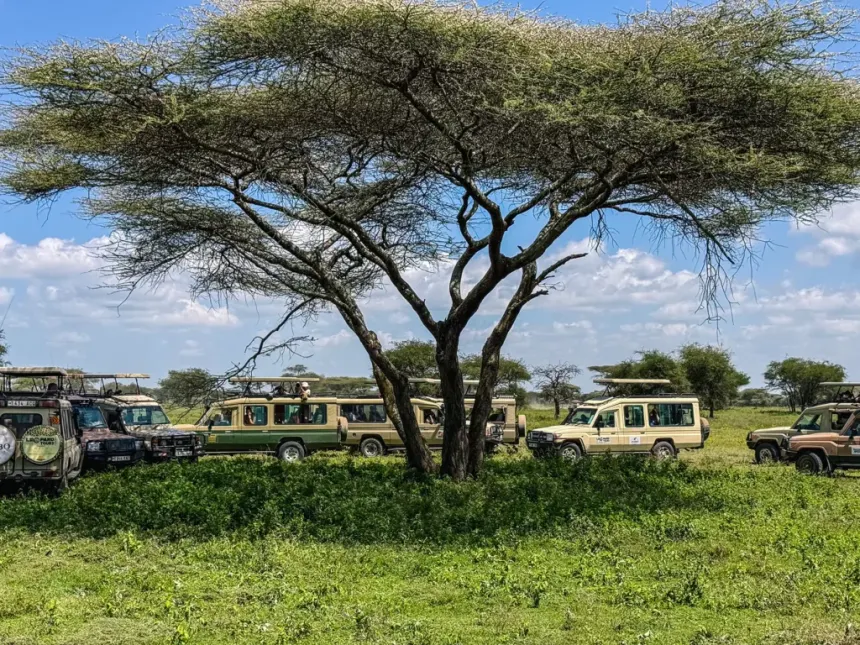
The Best Tourist Season for Both Worlds
These months strike a balance between good weather, wildlife, and manageable crowds.
January – February
- Warm and dry
- Excellent wildlife visibility
- Lower crowds than peak season
October – December
- Short rains refresh the landscape
- Fewer tourists
- Great birdwatching opportunities
Why Travelers Love These Months
✔ Moderate park fees
✔ Comfortable weather
✔ Flexible itineraries
✔ Ideal for customized safaris
Best for travelers who want quality experiences without peak-season pressure.
Browse Our Customized Safari Experiences
Will I Still See Animals in the Low Season?
Absolutely!
Kenya’s wildlife does not disappear during low or shoulder seasons. Animals are present all year round—the difference lies in how concentrated they are and how crowded the parks feel.
At Imara Destinations Africa, our experienced guides know:
- Seasonal animal movement
- Best times and locations for sightings
- How to plan routes based on weather and conditions
This ensures rewarding wildlife encounters in every season.
So, When Is the Best Time to Visit Kenya?
There’s no one-size-fits-all answer. The best time depends on:
- Your budget
- Crowd preference
- Wildlife interests
- Travel style
Whether you want peak-season drama or low-season serenity, we tailor each safari to match your expectations.
Plan Your Safari with Imara Destinations Africa
At Imara Destinations Africa, we specialize in personalized, expertly crafted safari experiences, designed around you, not just the calendar.